

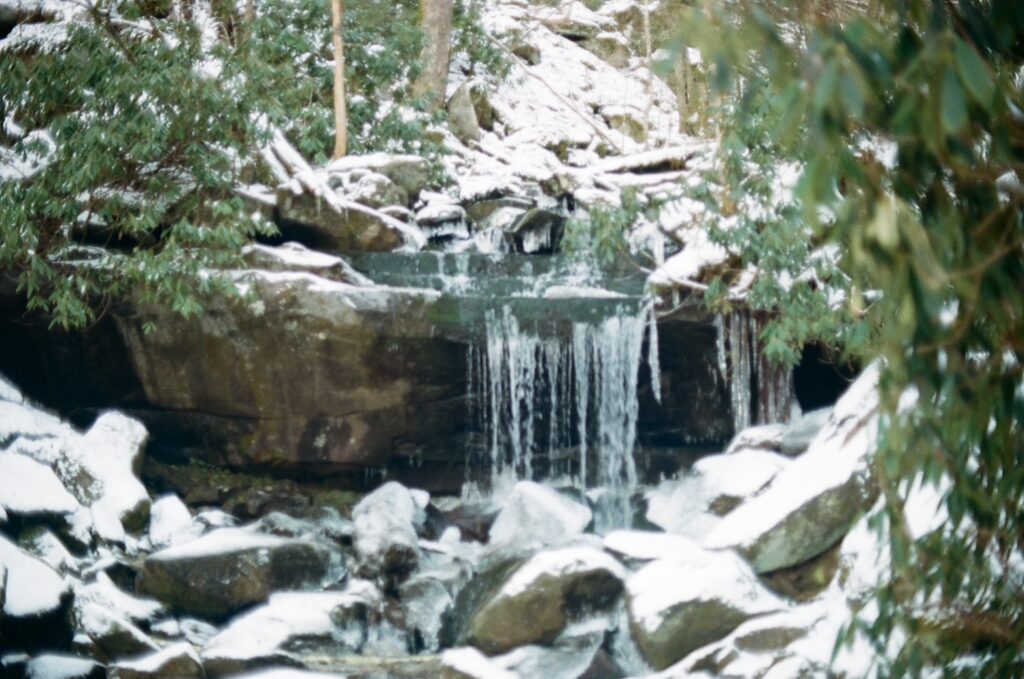
As we move into winter, our rivers, streams, and lakes in East Tennessee continue to play an important role in our communities. While colder weather often means less time spent outdoors, winter can have a significant impact on local water quality.
During the winter months, rain and occasional snowmelt can wash pollutants from roads, parking lots, and yards directly into nearby streams. Unlike wastewater, stormwater is not treated before it enters our waterways. This means that anything left on the ground, including litter, oil residue, fertilizers, or pet waste, can be carried into rivers and lakes during winter storms.
Salt and de-icing materials used on roads and sidewalks can also affect water quality. When these materials dissolve, they can increase the amount of chloride in streams, which may be harmful to aquatic life. Using de-icers sparingly and choosing environmentally friendly options when possible can help reduce this impact.
Winter is also a critical season for aquatic ecosystems. Fish, insects, and other organisms rely on clean, cold water to survive. Pollution introduced during this time of year can stress these systems, which are already adjusting to seasonal changes.
Everyone can take small steps during the winter to help protect local waterways:
- Properly dispose of trash and avoid leaving debris outdoors
- Use fertilizers and de-icers only when necessary
- Pick up pet waste, even in colder weather
- Keep storm drains clear of leaves and litter
The Water Quality Forum works year-round with municipalities, utilities, nonprofits, and businesses to protect and improve water quality across East Tennessee. Even when our waterways are less visible during the winter, our shared responsibility to care for them remains just as important.
Clean water supports healthy ecosystems, safe recreation, and strong communities in every season. By being mindful of how winter weather affects our waterways, we can help ensure that East Tennessee’s rivers, streams, and lakes remain healthy now and into the new year.